Space Jellyfish!
This is IC443, commonly known as the “Jellyfish Nebula” for obvious reasons! IC443 is a supernova remnant about 5,000 light-years away. This is a false-color, narrowband image consisting of a total of 20 hours of exposure time.
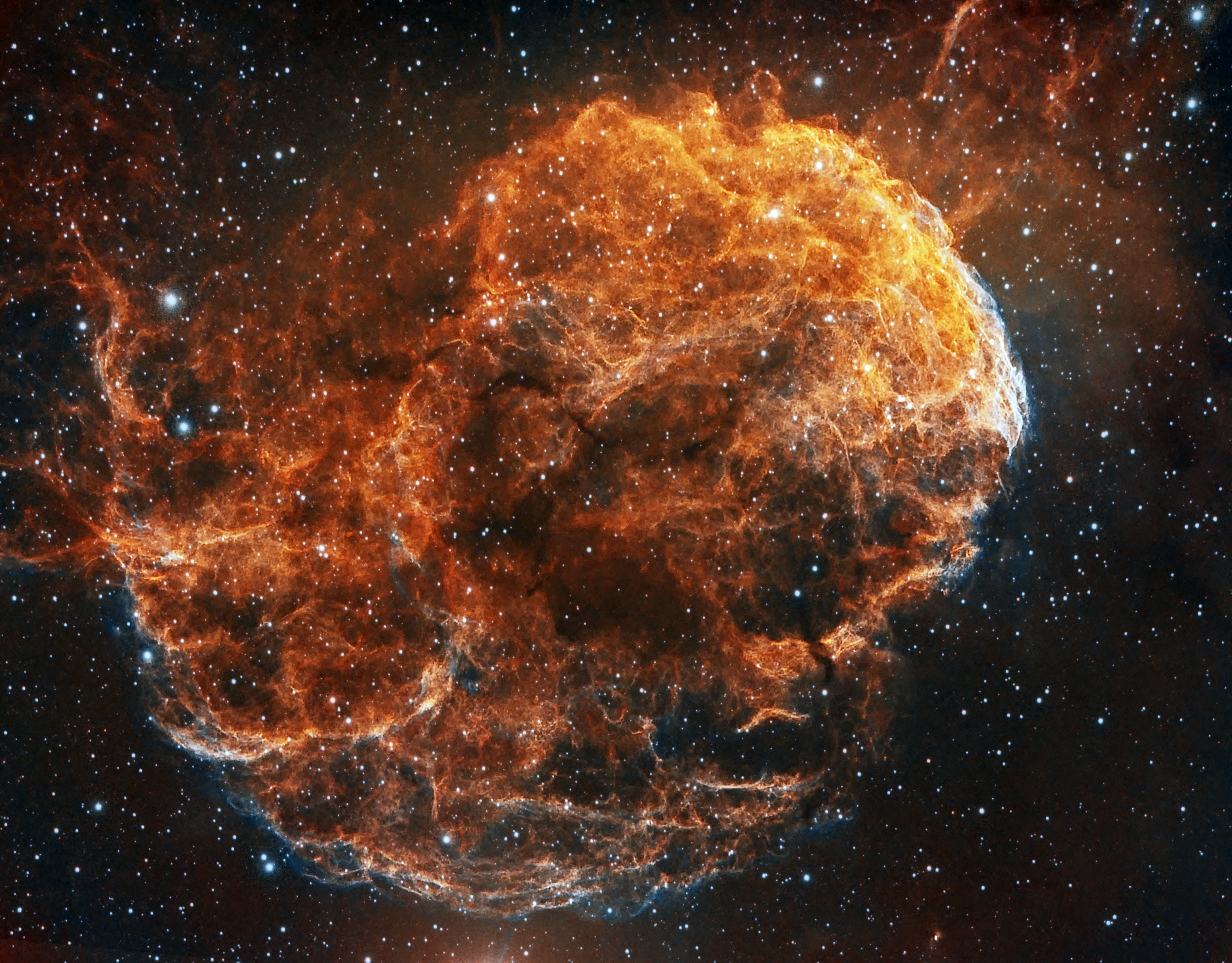
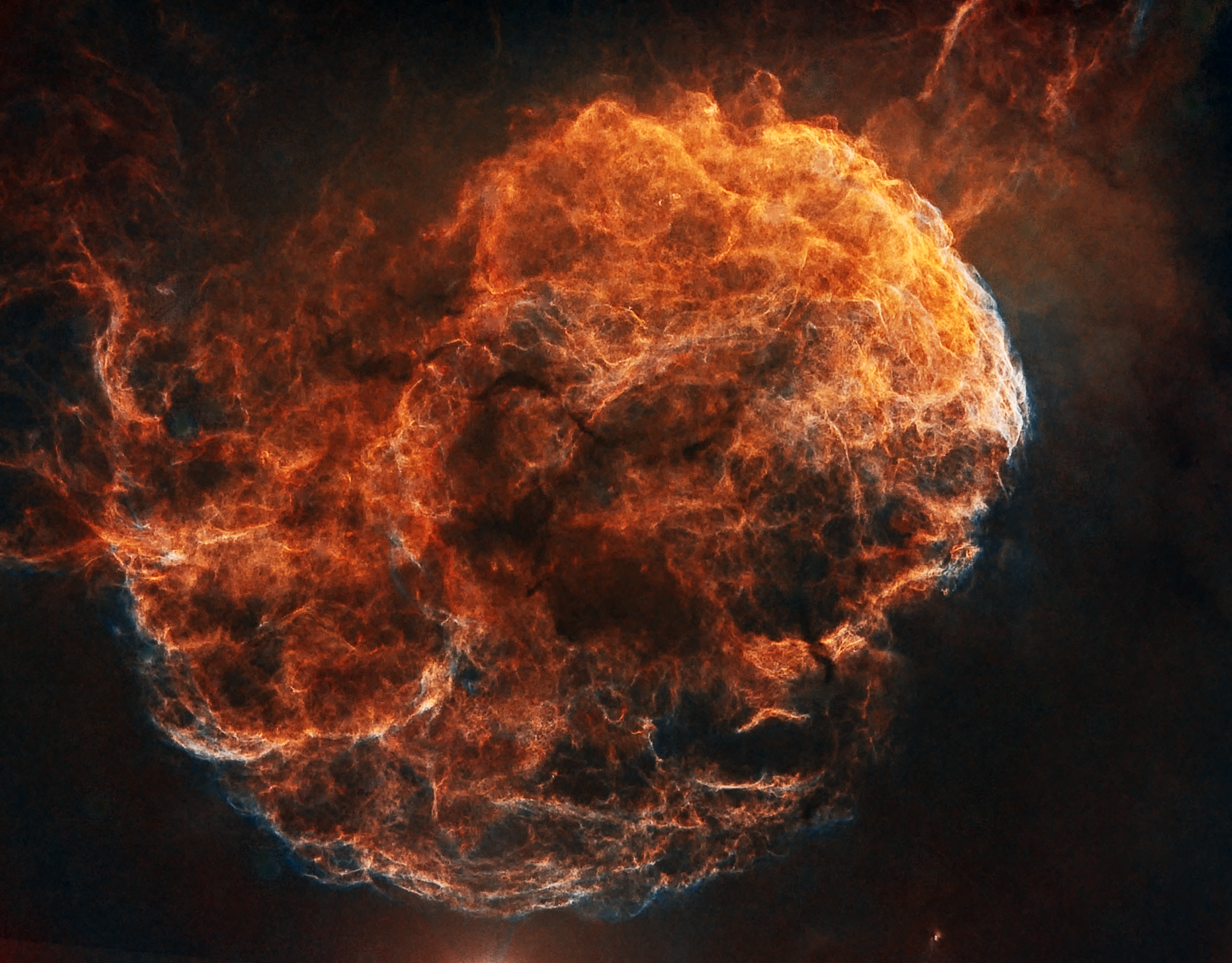
This is IC443, commonly known as the “Jellyfish Nebula” for obvious reasons! IC443 is a supernova remnant about 5,000 light-years away. This is a false-color, narrowband image consisting of a total of 20 hours of exposure time.
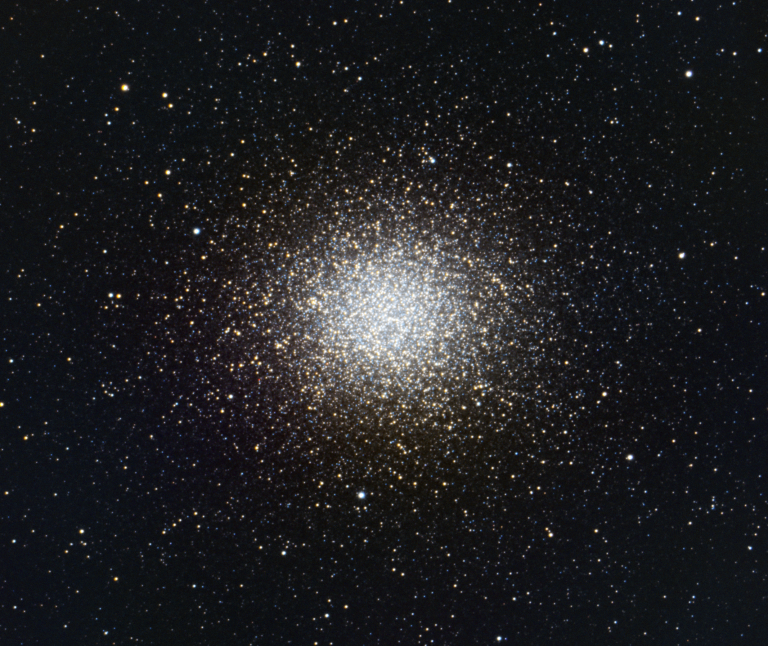
This object was a real challenge to image. From central Florida, it only rises 13 degrees above the horizon, deep within the light-polluted murk of my Southern sky. Omega Centauri is a Southern hemisphere object, so capturing it from the Northern hemisphere requires effort. It’s worth it though – this is one of the most…
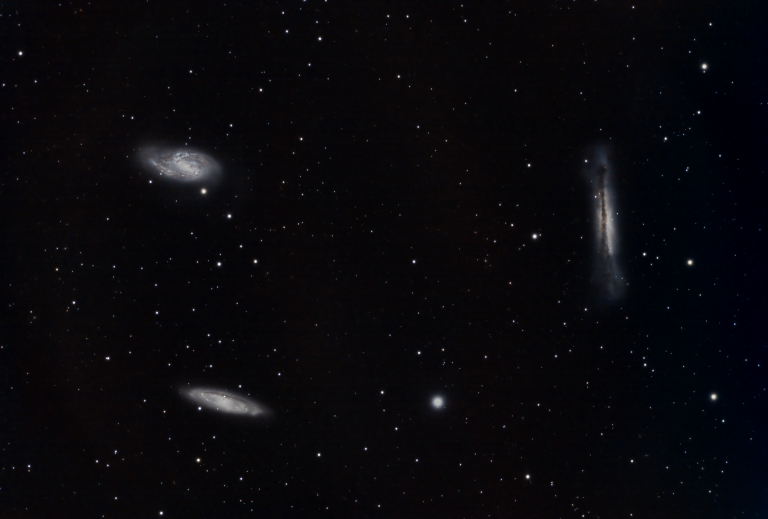
Three nearby galaxies: M65, M66, and NGC 3628. All three are spiral galaxies, viewed from different angles. You can guess which one is called the “Hamburger Galaxy” 🙂
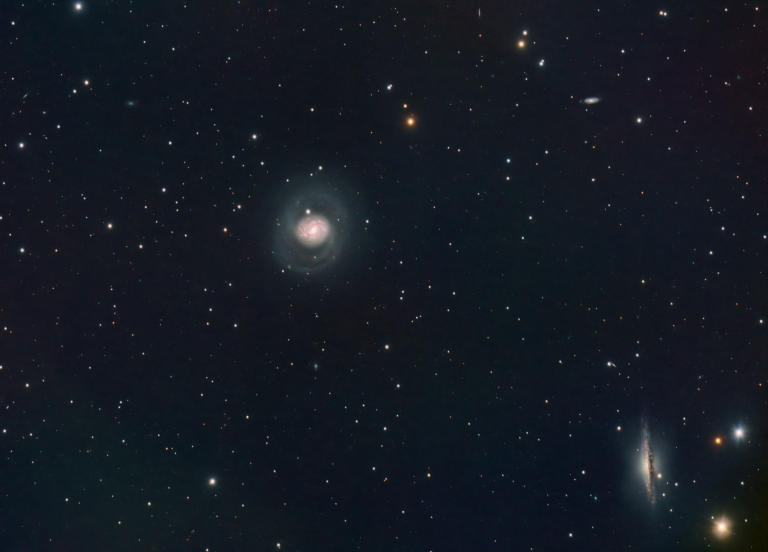
This was intended to just be an image of the galaxy M77 in Cetus, but quite a few other galactic photobombers showed up! The annotated image below guides you to the brighter galaxies in this image, but click on it to expand it, and you’ll find many other ones as well that are incomprehensibly distant.
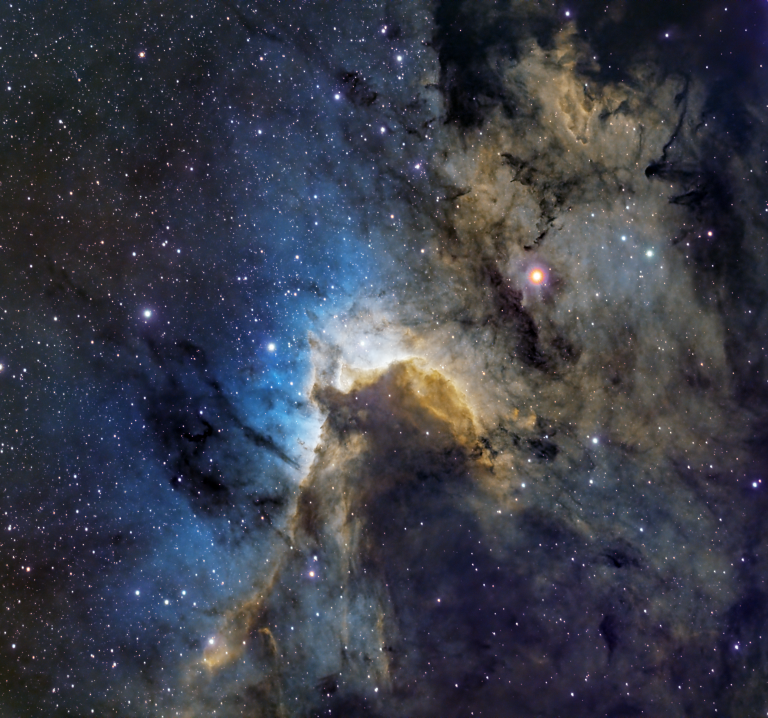
Formally SH2-155, the Cave Nebula lies about 2,400 light-years away within the constellation Cepheus. It’s part of a much larger region of gas and dust (called a molecular cloud). This region is mostly ionized Hydrogen, but there’s just enough Oxygen – blue in this image – to make for a pretty picture. Capturing that Oxygen…
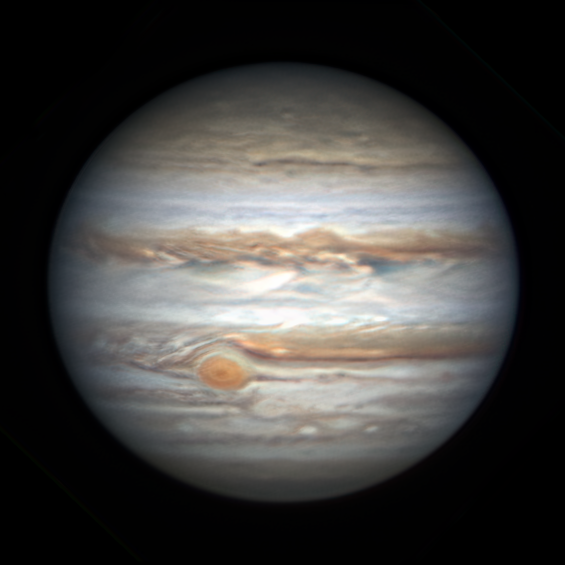
A lot of things have to come together for a good image of the planets. The air needs to be as still as possible, the planet you’re imaging needs to be as directly overhead as possible, and the planet itself should be as close to the Earth as possible. And then, all your equipment has…
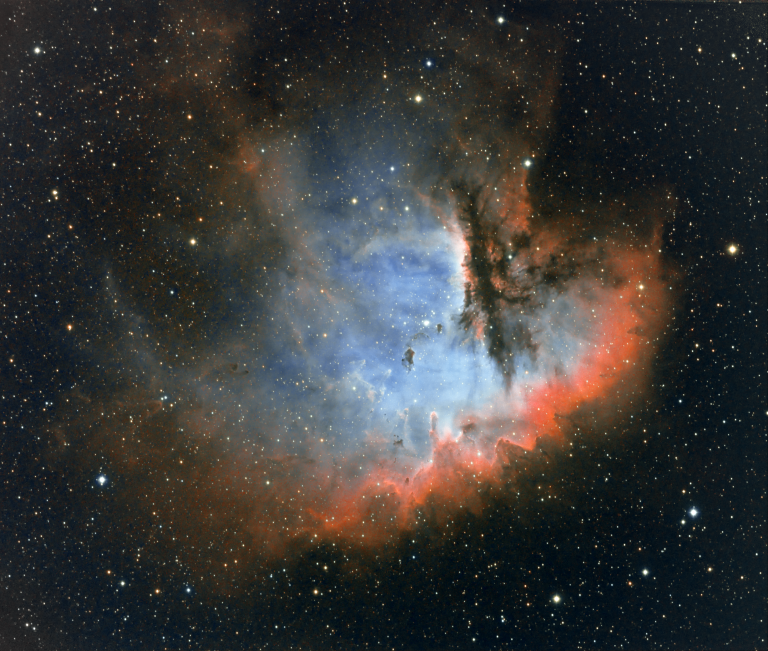
This gorgeous nebula, formally known as NGC281 in the constellation Cassiopeia, goes by the informal name of “The Pac-Man Nebula.” I don’t see a Pac-Man. I think it’s a case where if you look at it through a telescope with your eyes, you only see the brightest parts – and then, maybe it looks a…