Lunar Eclipse Jan 2019
A progression of photos taken at 15-minute intervals from 10:30 PM to 12:15 AM on the evening of Jan 20-21, 2019. Click to zoom in – there’s a lot of detail!
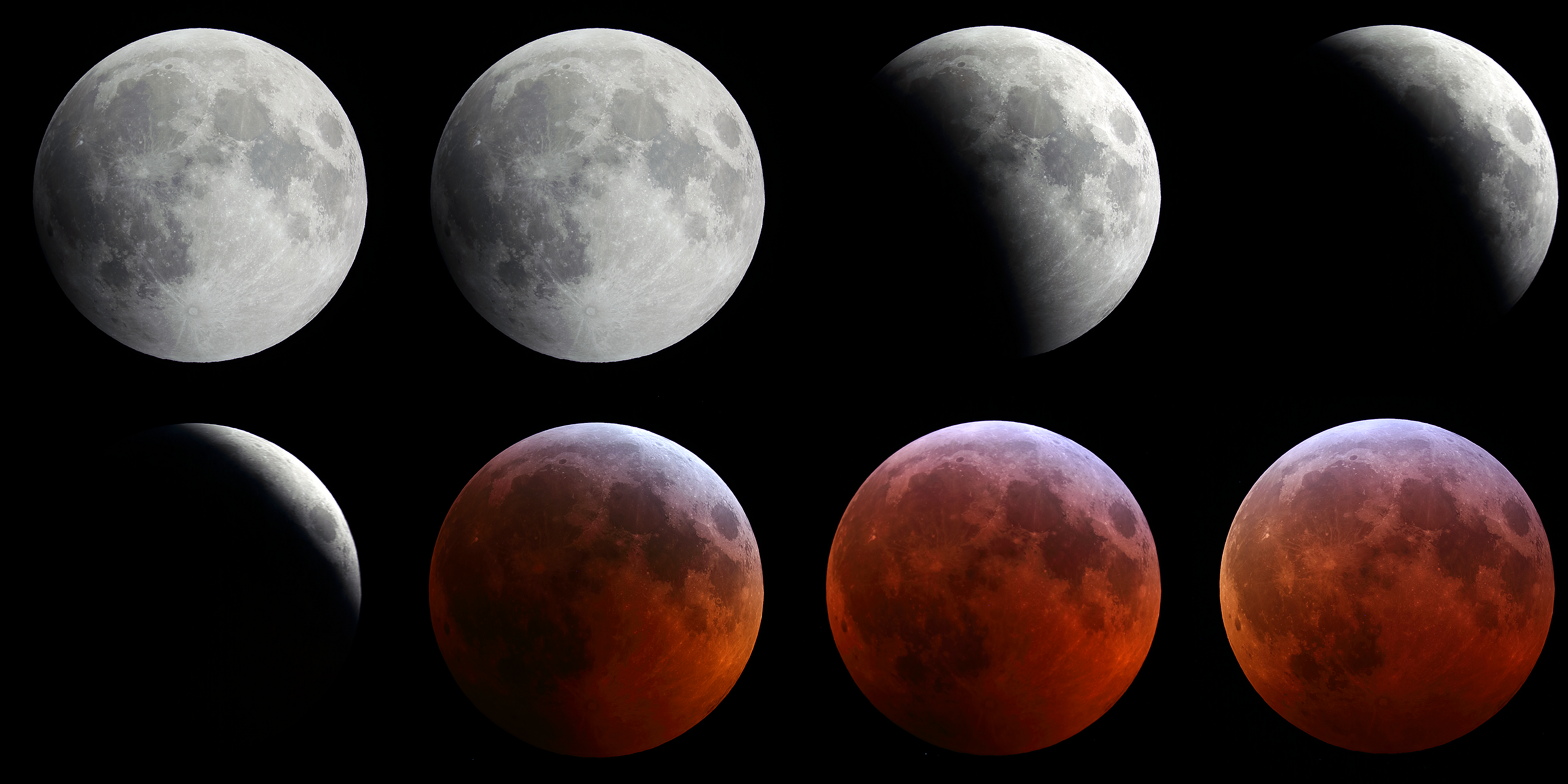
A progression of photos taken at 15-minute intervals from 10:30 PM to 12:15 AM on the evening of Jan 20-21, 2019. Click to zoom in – there’s a lot of detail!
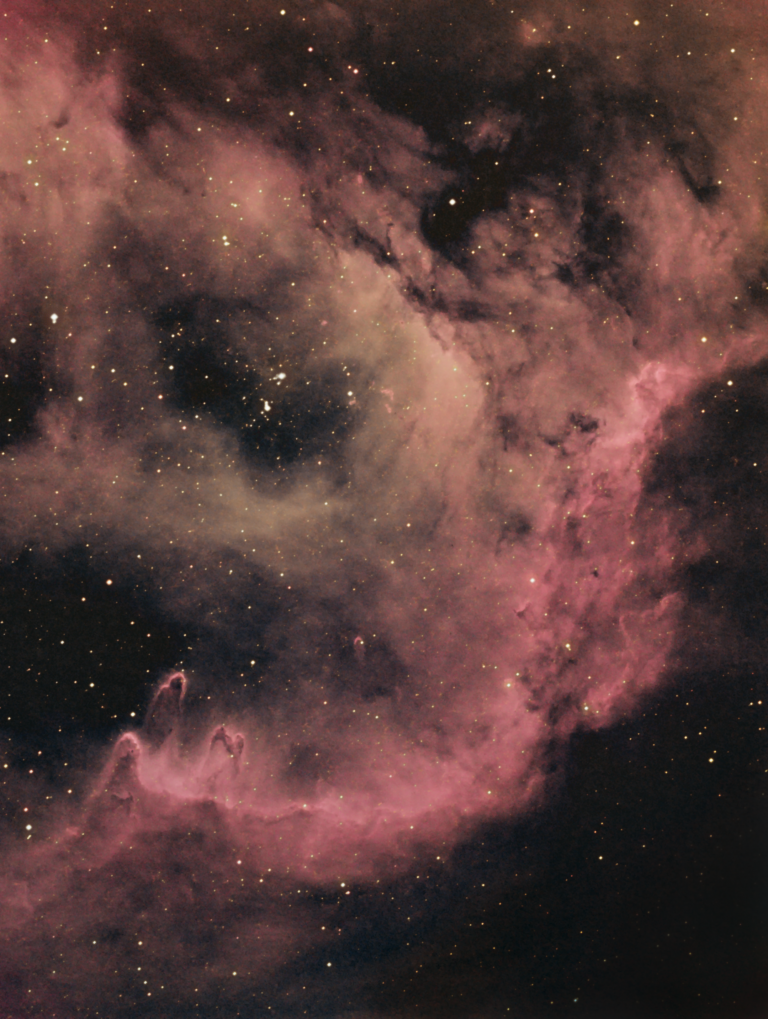
This is a small part of a larger nebula called the “Baby Nebula” (also known as the Soul Nebula) in the constellation Cassiopeia. If you see a baby in the larger nebula this is part of, this image would be of the baby’s bottom 🙂 There is a ton of star formation going on in…
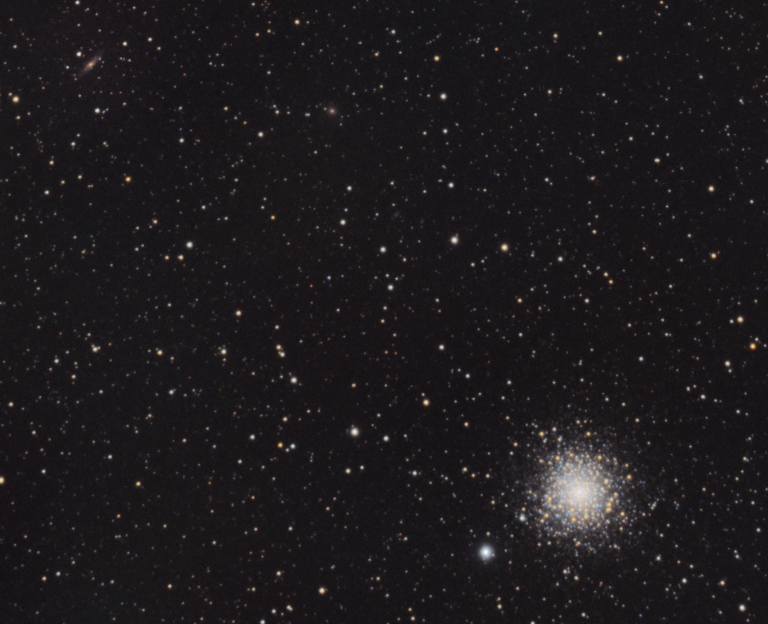
It’s globular cluster season, so here’s another one! M80 is found within the constellation Scorpius, and lies a distant 32,600 light-years away – making it one the small side from our vantage point. It contains several hundred thousand stars, and is one of the denser globular clusters in our galaxy. The faint galaxy in the…
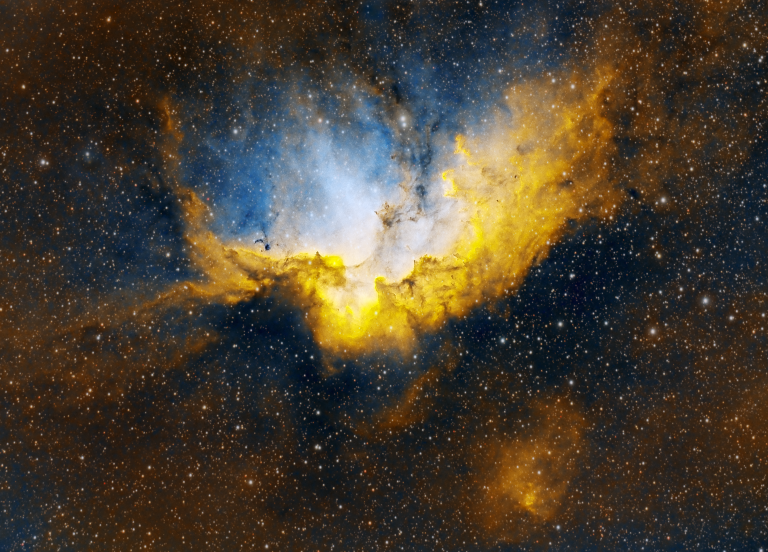
These past couple of nights, I revisited the Wizard Nebula – home of a star cluster about 7,000 light-years away within the constellation Cepheus. This is a false-color image in the “Hubble Palette” where red, green, and blue represent ionized Sulphur, Hydrogen, and Oxygen emissions respectively. Can you see the “wizard”? Hint: he’s lying on…
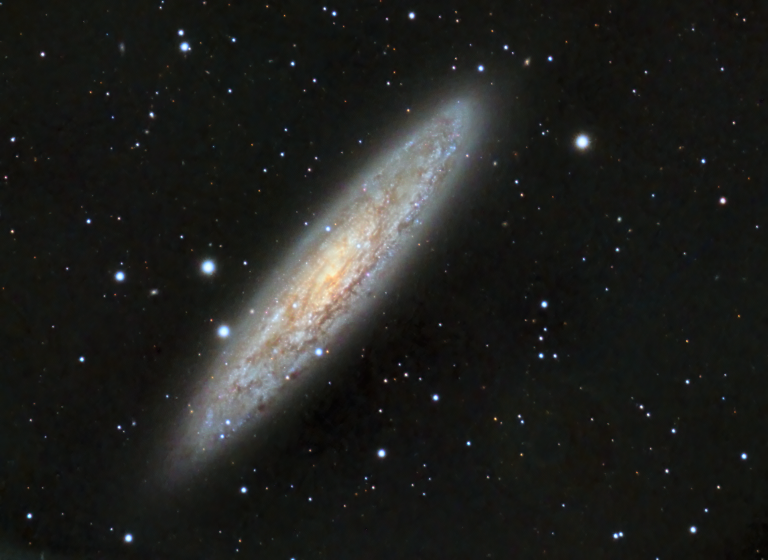
NGC253 is most commonly known as the “Sculptor Galaxy,” because it’s found within the constellation Sculptor. You probably haven’t heard of Sculptor – that’s because it is considered a Southern-hemisphere constellation, and it’s only visible in the US from Southern states such as Florida. It’s also known as the “Silver Coin Galaxy.” It’s part of…
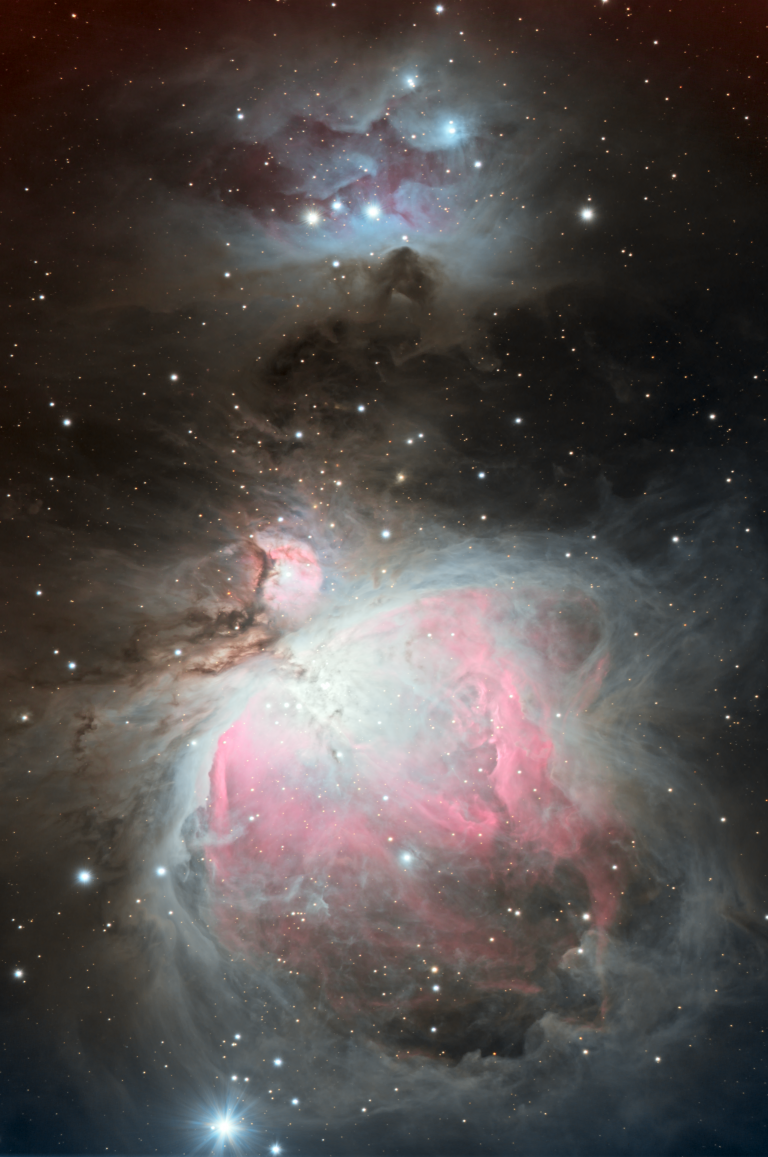
If you look at the constellation Orion in the winter night’s sky, the center of Orion’s “sword” is not a star at all – it is the brightest nebula in our sky, M42 or the Great Nebula of Orion. Sitting right on top of it is technically another nebula designated M43, and above that is…
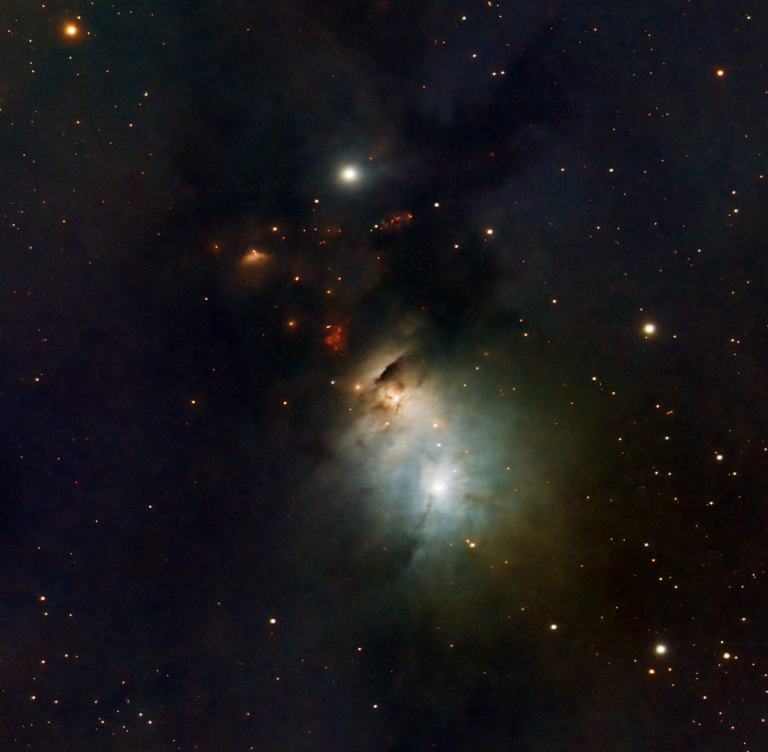
This image really blows my mind – this is the reflection nebula NGC1333 in Perseus. The blue part is reflected gas and dust from the star that’s lighting up – that’s nothing too unusual. But check out the little red blobs above it. Many of those are “Herbig-Haro” objects, formed by jets spewing out from…