
Bode’s Galaxies (M81 & M82)
Johan Bode discovered both Bode’s Galaxy (M81, on the left) and the Cigar Galaxy (M82, on the right.) Look closely and you’ll see many other, more distant galaxies in the background as well.
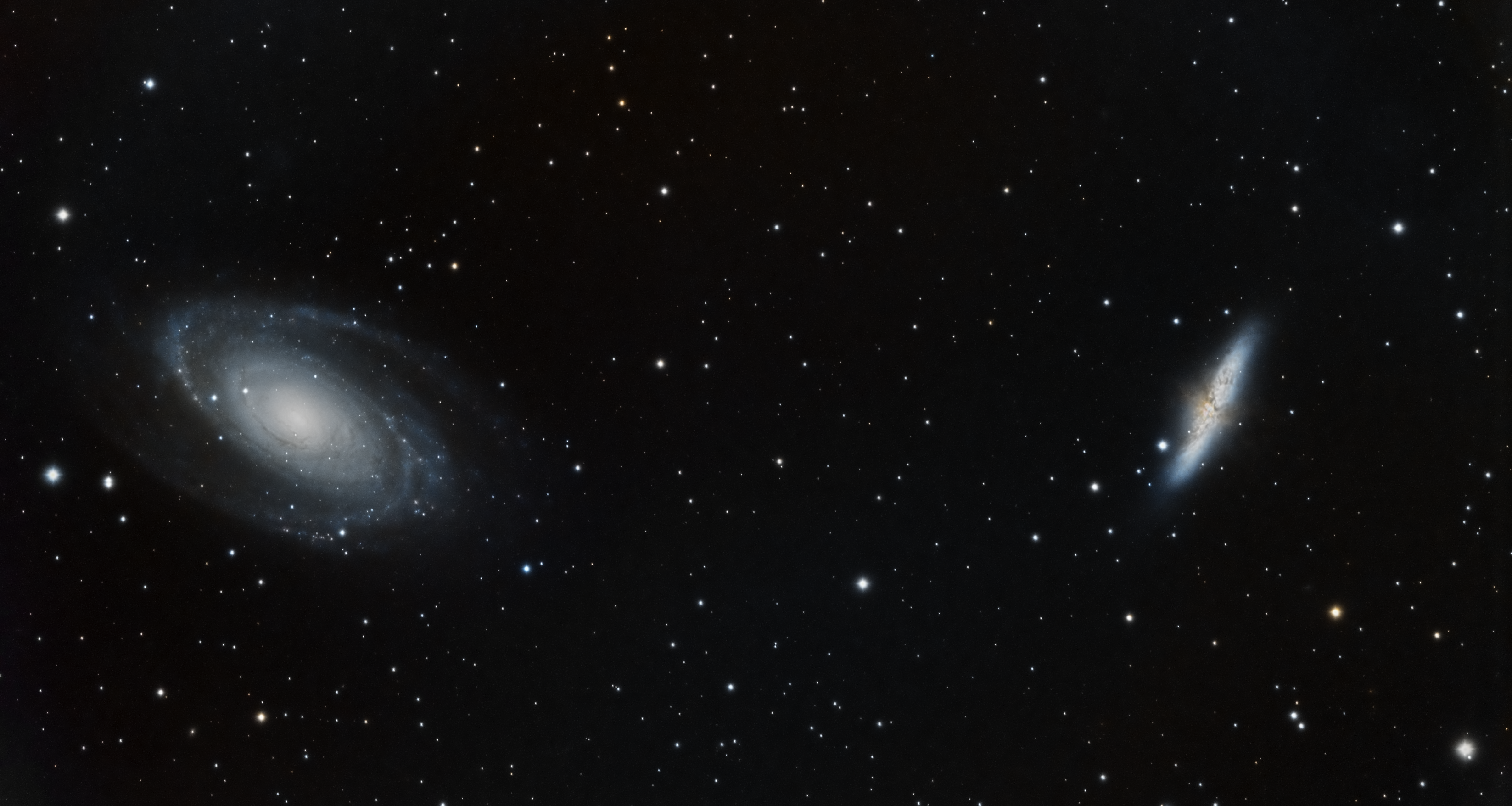
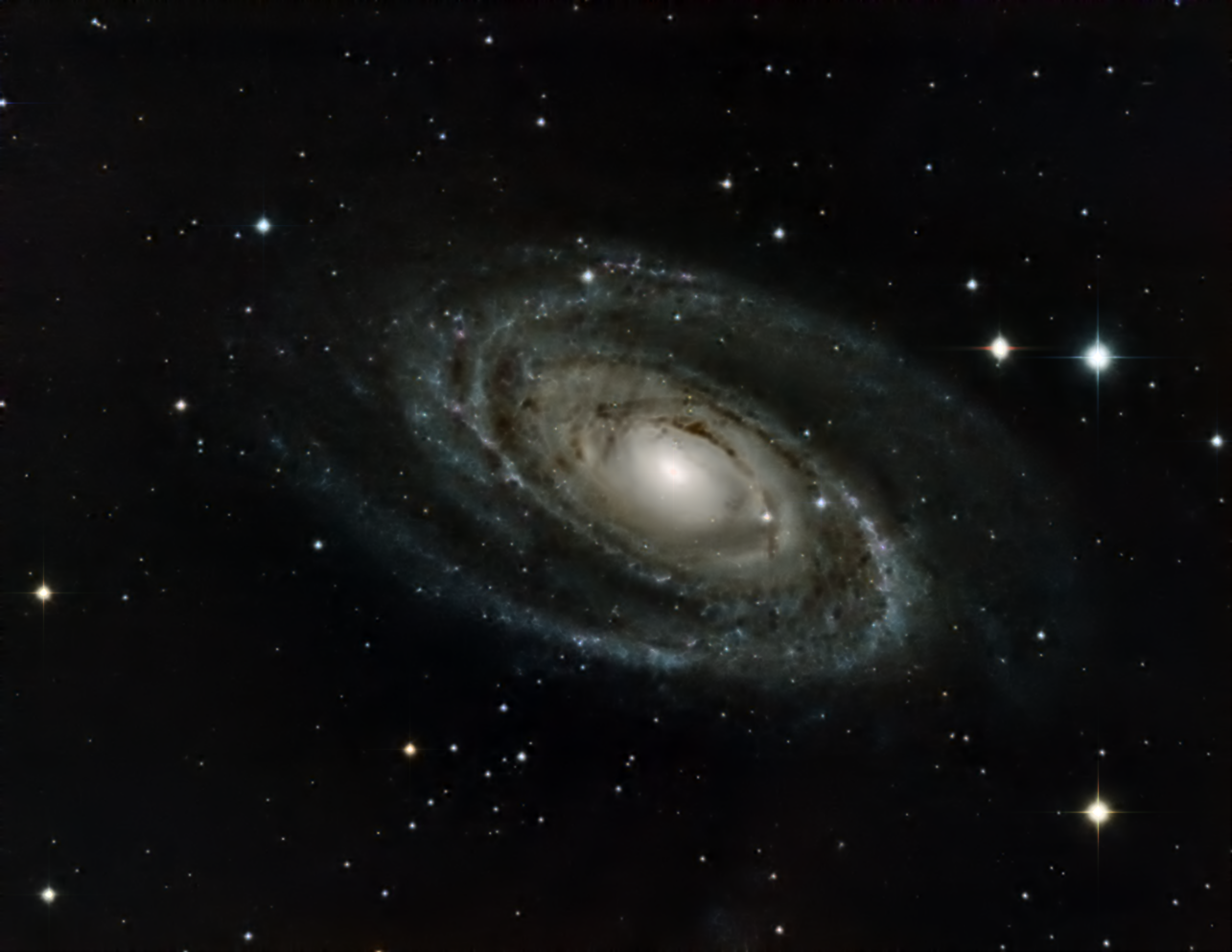
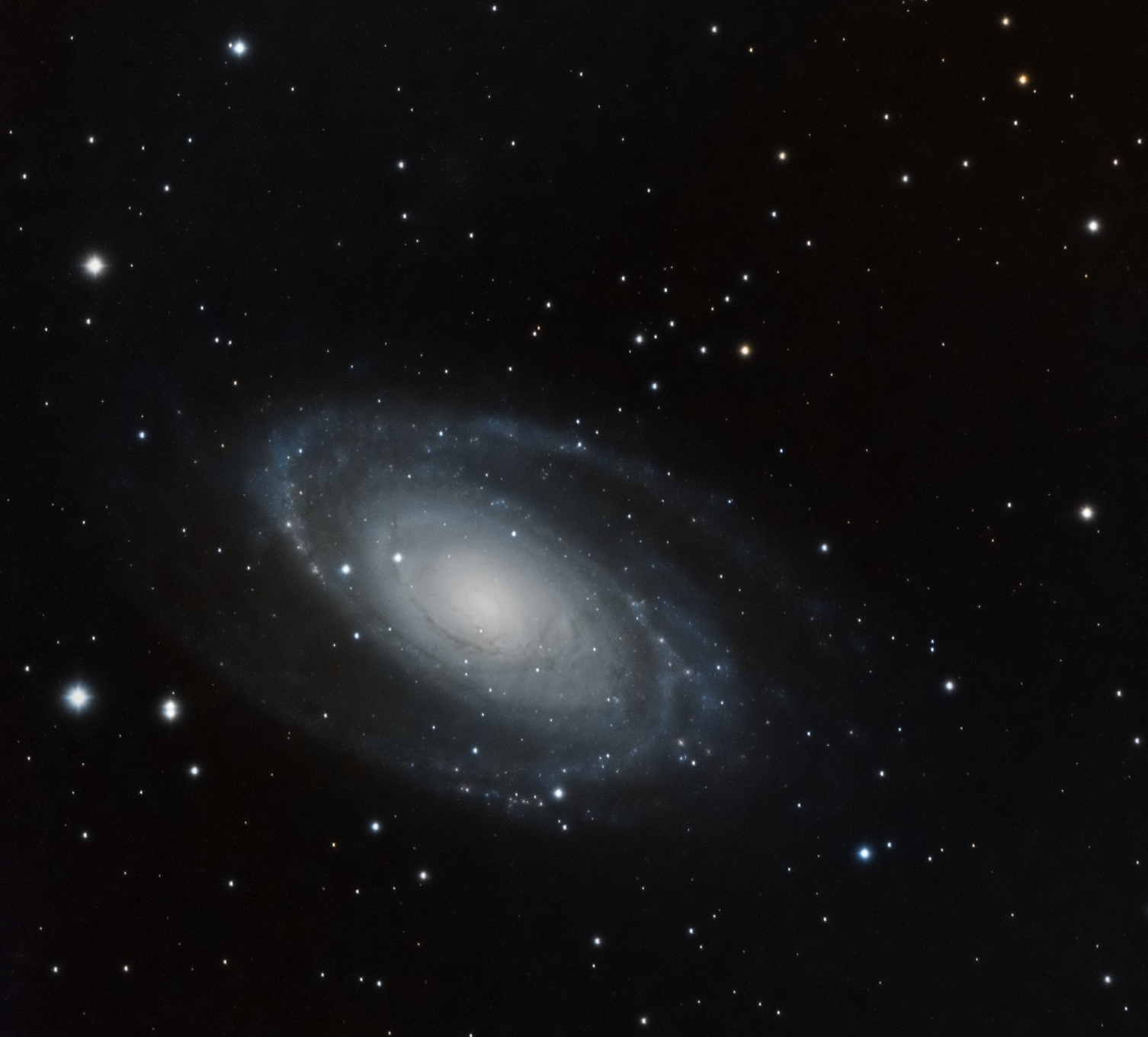
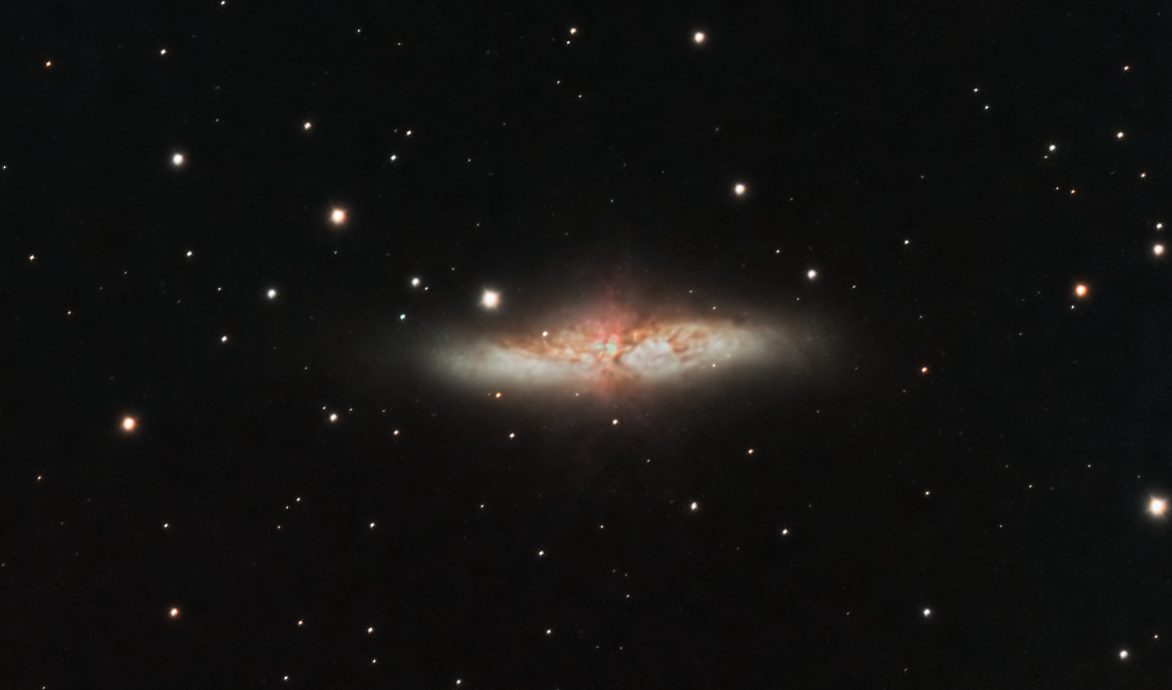
Johan Bode discovered both Bode’s Galaxy (M81, on the left) and the Cigar Galaxy (M82, on the right.) Look closely and you’ll see many other, more distant galaxies in the background as well.
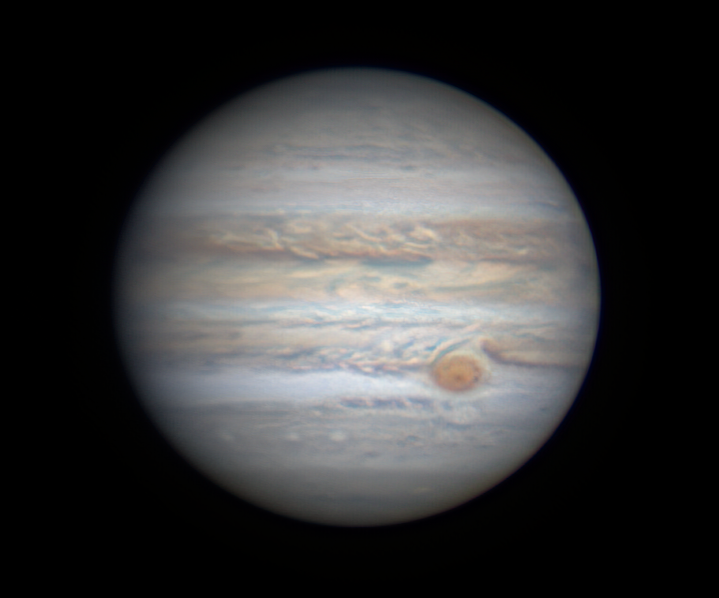
Jupiter and Saturn both reached “opposition” over the summer, meaning they had their closest approach to Earth for the year. Florida’s summer weather conspired against photographing the planets at that time, but the skies finally cleared last night. They’re not at their closest, but… they’re close enough. I think this is my best Jupiter image…
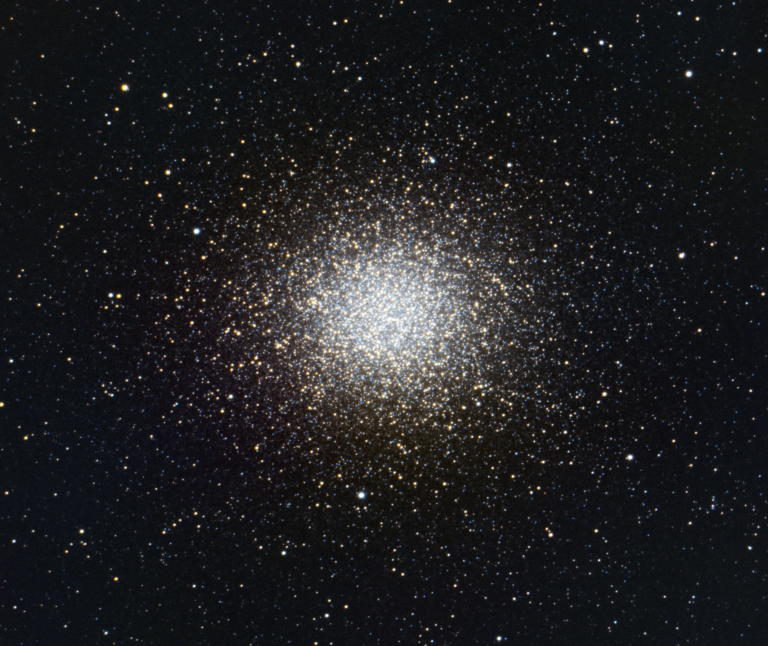
This object was a real challenge to image. From central Florida, it only rises 13 degrees above the horizon, deep within the light-polluted murk of my Southern sky. Omega Centauri is a Southern hemisphere object, so capturing it from the Northern hemisphere requires effort. It’s worth it though – this is one of the most…
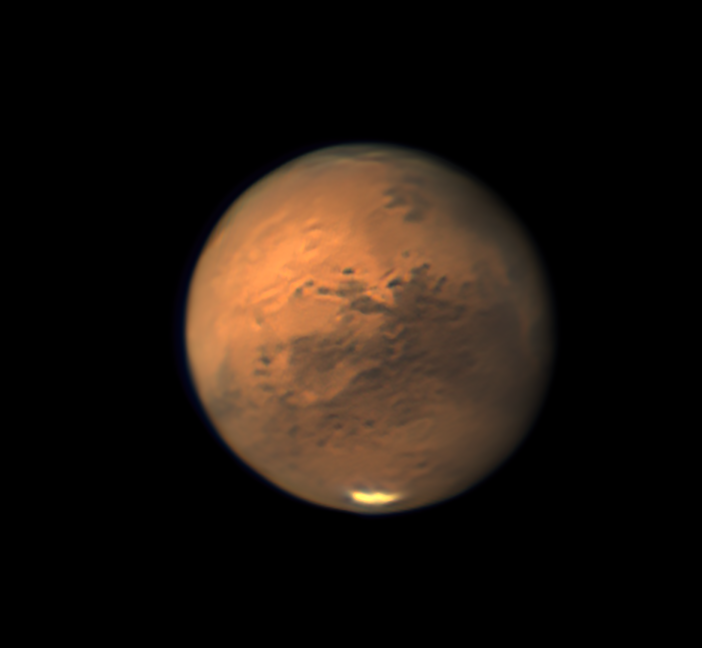
The amateur astronomy community is pretty excited at Mars lately – it’s nearing its closest approach to Earth right now, and this one’s even closer than usual. That means some of the best viewing and imaging opportunities for the Red Planet you’ll ever get. When the skies clear and the atmosphere is still, it’s an…
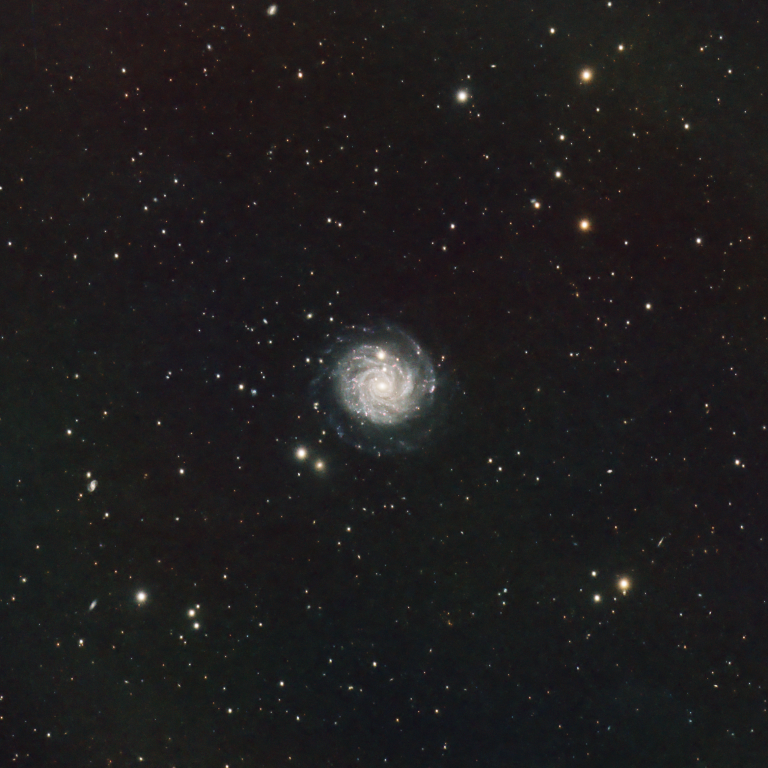
Here’s another galaxy with no nearby neighbors, and no catchy nicknames either: NGC 3344. It’s about 22.5 million light-years away within the constellation Leo Minor. Although it doesn’t get the love it deserves, it’s a glorious face-on barred spiral galaxy that’s about half the size of our own Milky Way. Explore the space around it,…
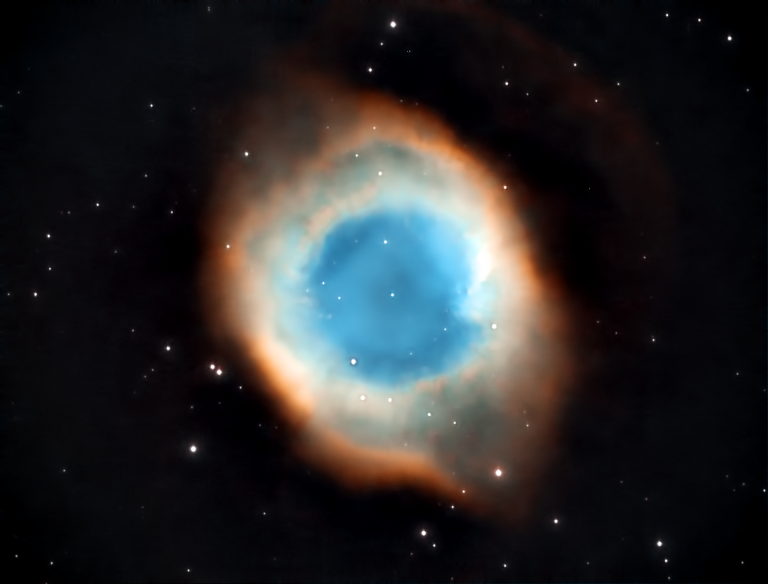
The Helix Nebula is also known as the Eye of Sauron or the Eye of God.
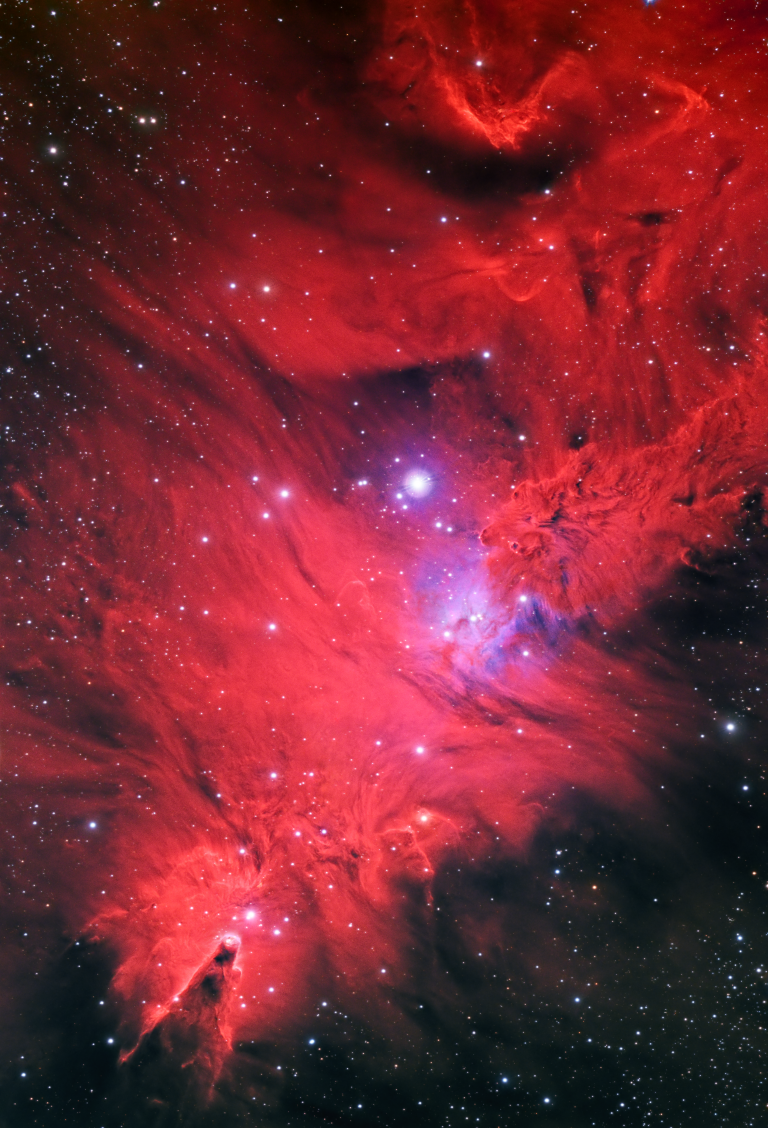
About 2,700 light-years away within the constellation Monoceros lies the Cone and Fox Fur Nebulas, containing the “Christmas Tree Cluster” of stars as well. I’ve imaged this many times before, but have never been happy with the results. By combining data from last year with more data collected this year however, I finally got enough…