Learn Astrophotography with Frank!
Check out our online courses, and learn the secrets behind the images on this site! Select one to learn more.
[lifterlms_courses]
Check out our online courses, and learn the secrets behind the images on this site! Select one to learn more.
[lifterlms_courses]
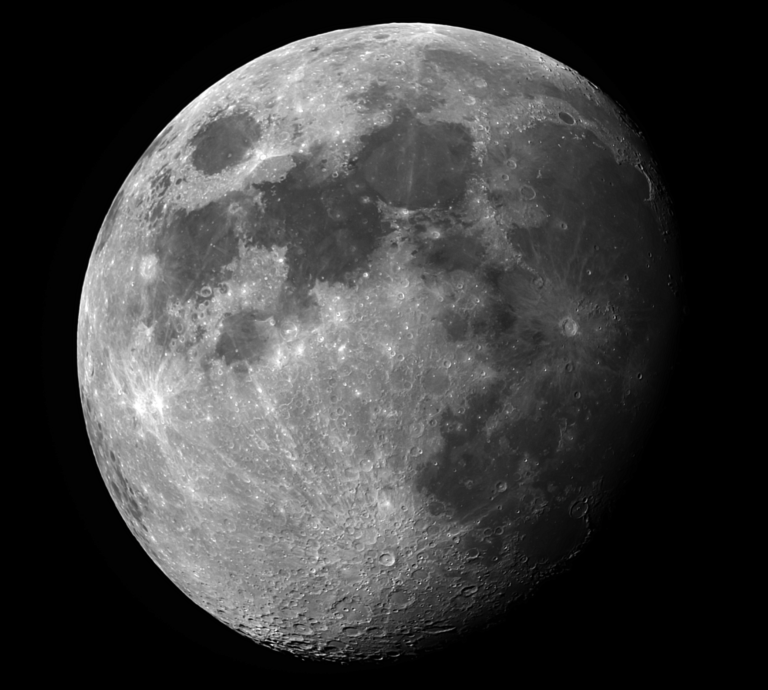
Last weekend, I hosted an astrophotography workshop on lunar photography for our local astronomy club. Tonight the skies finally cleared, and I got to apply what was learned! Here’s our lunar neighbor, in hi-res glory.
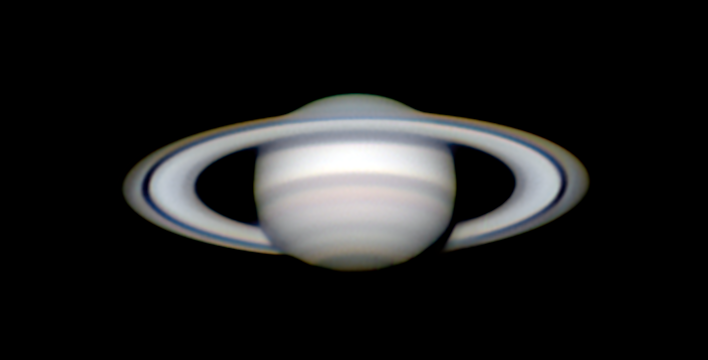
Last night marked Jupiter’s “opposition” – this is the time of year where Jupiter is at its closest point to Earth, and it’s at its biggest and brightest. By a stroke of luck, we had unusually clear skies for this event, and its moon Io was also crossing in front of Jupiter! You can see…
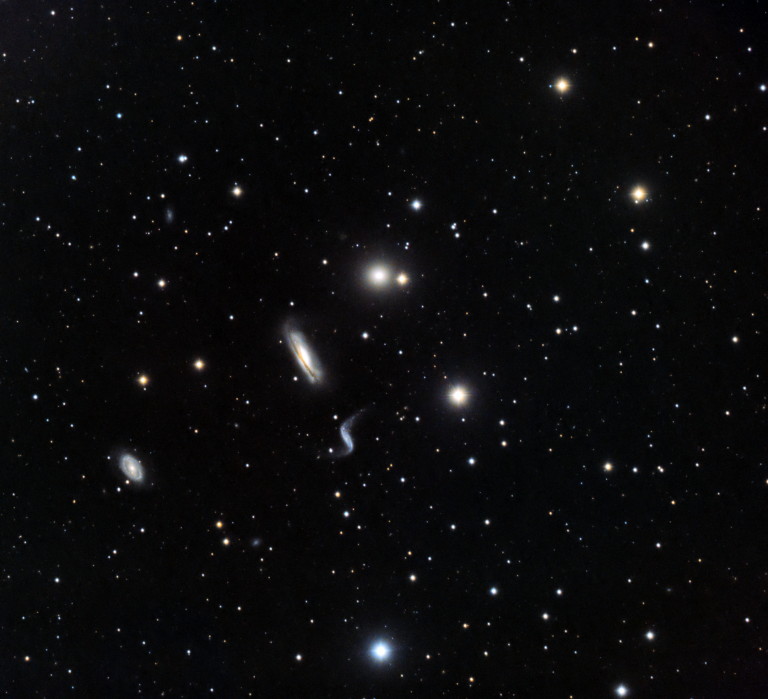
This is a weird little cluster of galaxies – there are four in all, and each one is completely different. There’s a weird, S-shaped one that must have been messed up by its neighbors in the past, a somewhat normal-looking spiral galaxy, and elliptical, and another one that’s viewed edge-on. Galaxies that have interacted with…
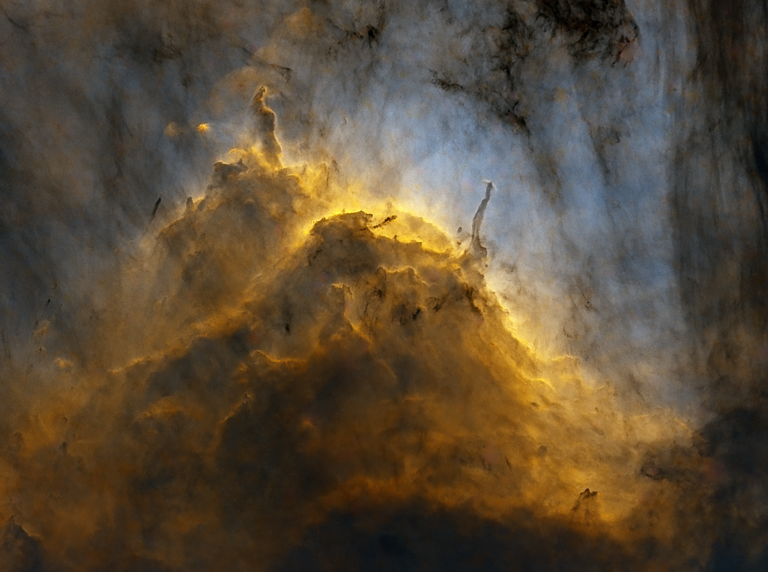
Another revisit of an old target, with better gear and better conditions. This is the Pelican Nebula in the constellation Cygnus. Shot in narrowband over one night, and presented in the “Hubble palette”. Two takes – one wider field, and one close-up with the stars removed. In both cases the image is rotated and mirrored…
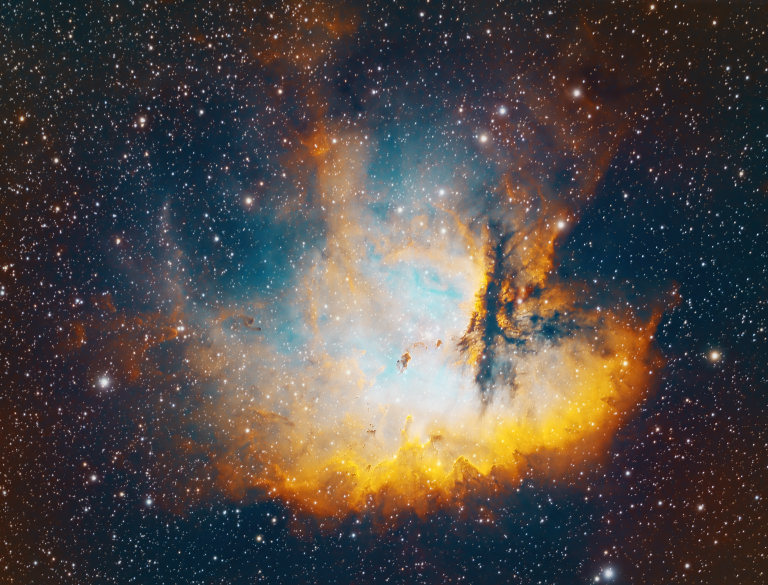
This is NGC281, or the “Pac-Man” nebula. I think it’s one of those objects that might look a little like its name if you’re viewing it through a big telescope in a dark sky, but takes on a totally different character in long-exposure, narrowband images such as this. This is a total of 13 hours…
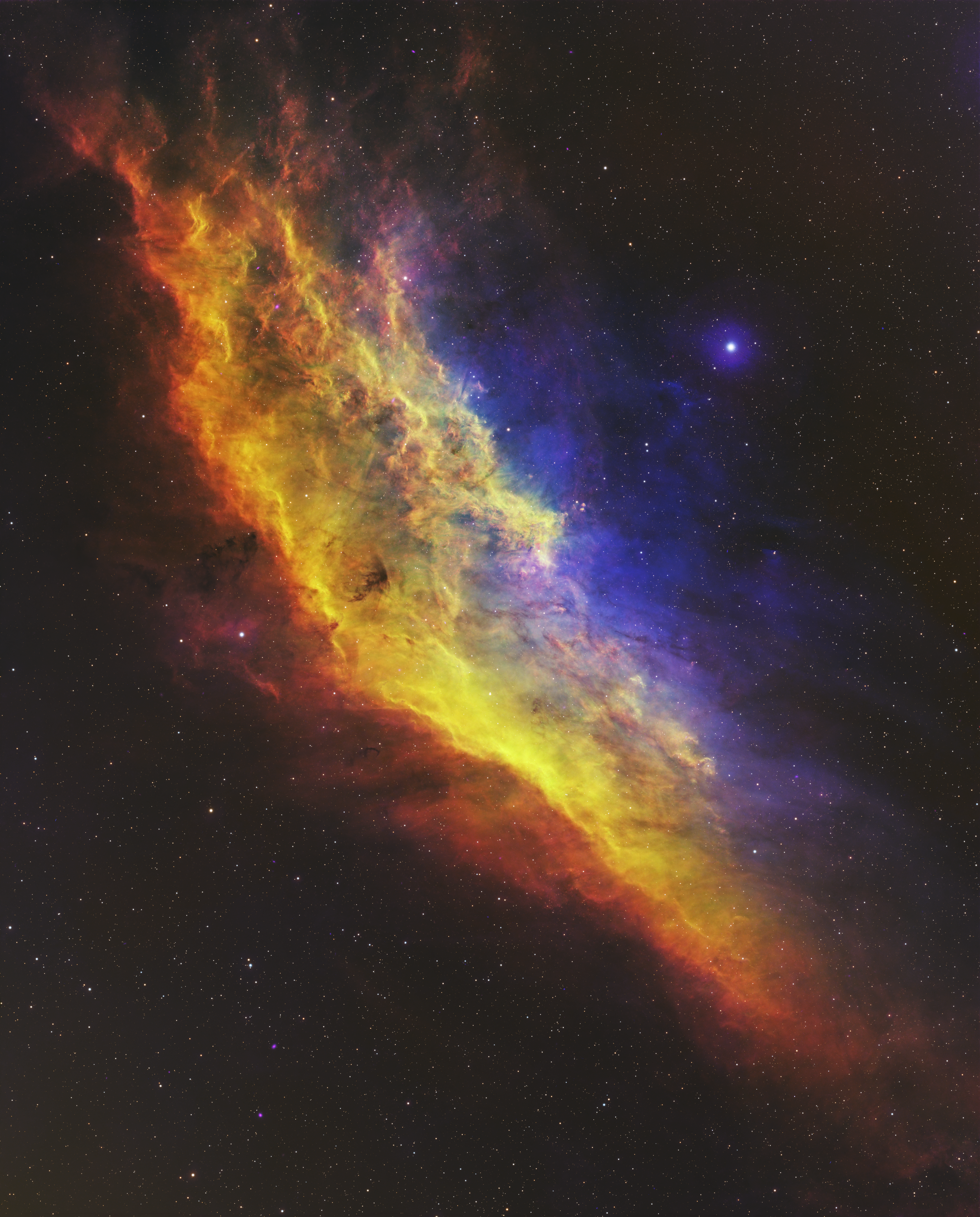
Both on Earth, and in space! While we prepare for a year or two in California, I trained Scopey von Scopington on the California Nebula for a few nights. Pretty obvious how it got its name! This is a two-panel mosaic, consisting of narrowband SHO data for the nebula and broadband RGB for the stars….
Clicking on both the links on online courses (at http://18.216.0.7/2020/12/16/learn-astrophotography-with-frank/?mc_cid=e5ec7b030e&mc_eid=d2939fb3f3) is giving error. It seems briefly it comes on and then shows the error. I am an enthusiast for astro photography.
Thanks for letting me know! I think this is cleared up now.