
Triangulum Galaxy
Part of our Local Group of galaxies, the Triangulum Galaxy (M33) is about 3 million light years away and the most distant object visible to the naked eye under dark skies.
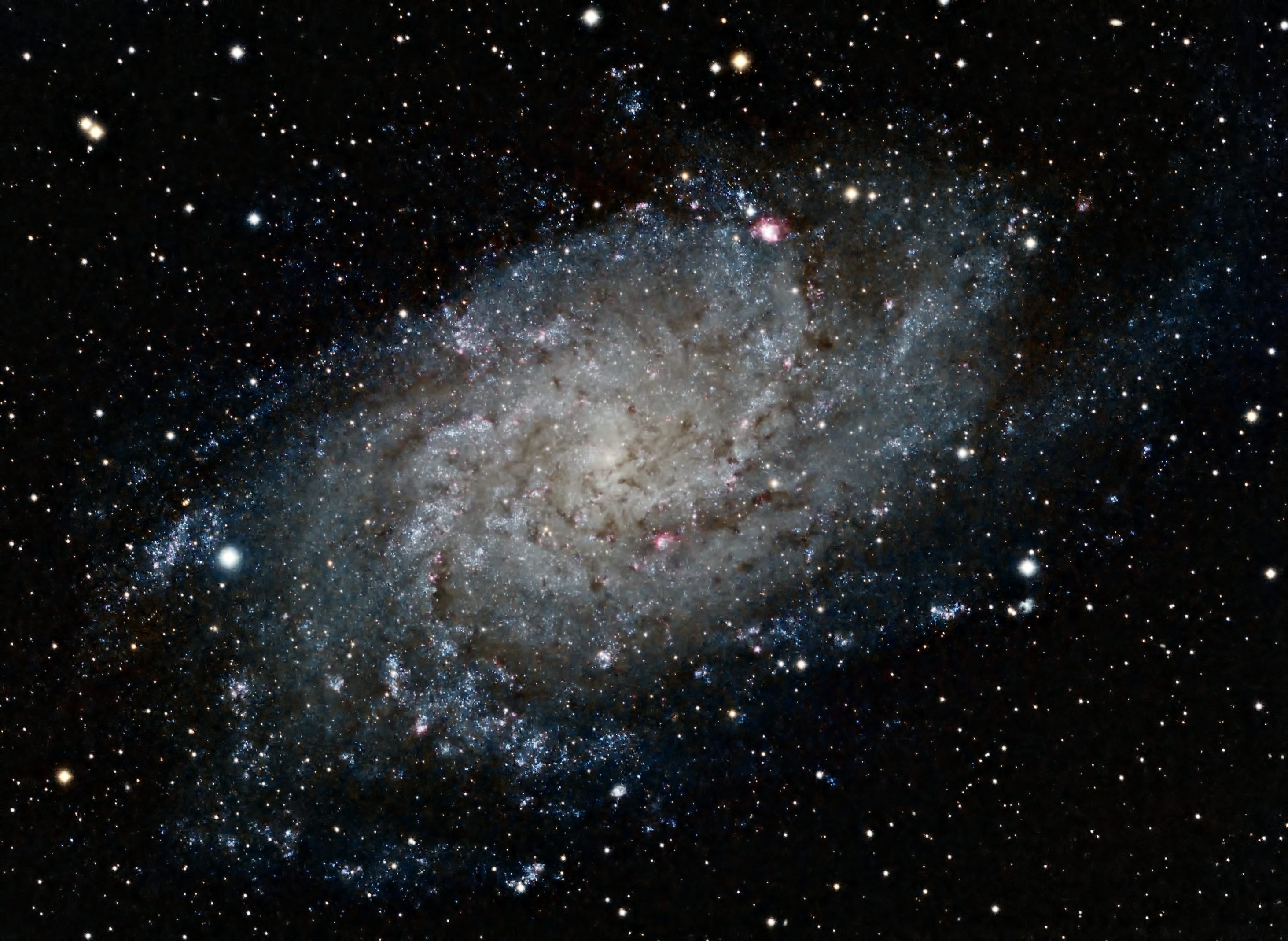
Part of our Local Group of galaxies, the Triangulum Galaxy (M33) is about 3 million light years away and the most distant object visible to the naked eye under dark skies.
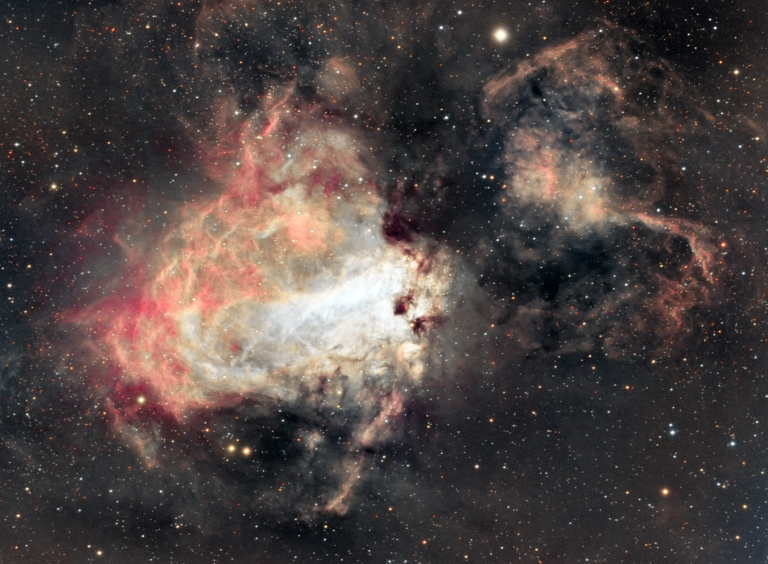
This is M17, the “Swan Nebula”. Everyone seems to see something different in it! To me the whole thing looks like a swan seen from the side, but my family sees different birds within it. It’s like seeing shapes in clouds, which makes sense, as this is just a really, really big cloud of gas…
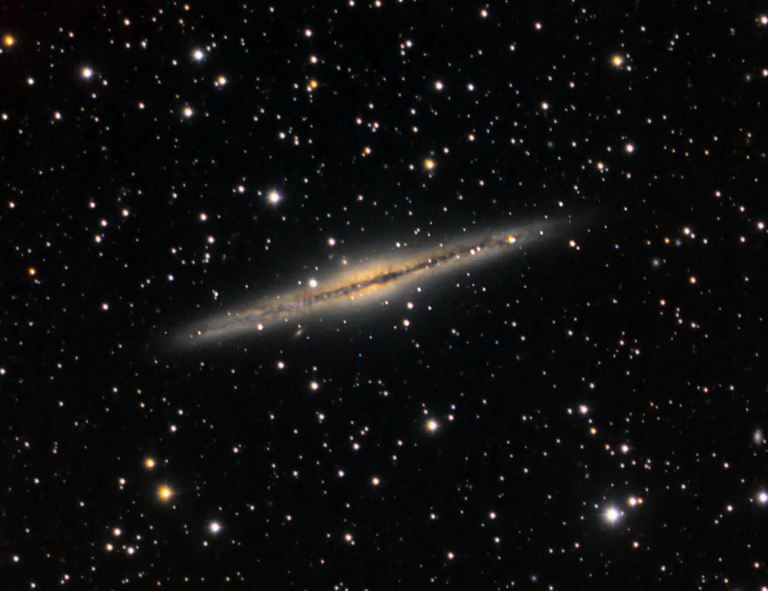
Try saying that three times fast! Fortunately, the “Silver Sliver Galaxy” has a formal name that’s easier to pronounce: NGC 891. It’s about 30 million light-years away, and is thought to be very similar to what our own Milky Way galaxy would look like when viewed edge-on. Explore the wider-field image; click on it for…
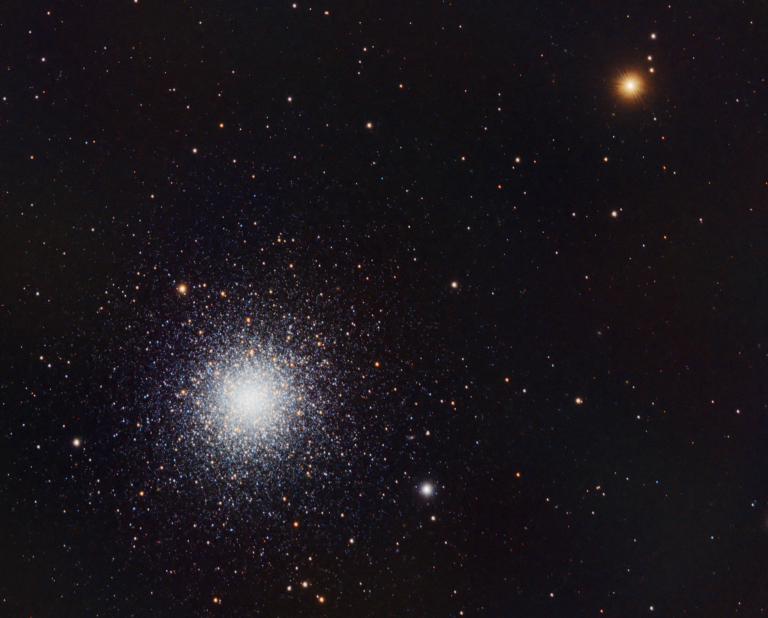
Located about 34,000 light-years away within the constellation Canes Venatici, this tight ball of half a million stars formed just outside the disk of our galaxy – and so its stars never got mixed in with it. They’ve just been sitting there for over 11 billion years. One of the prettiest globular clusters in the…
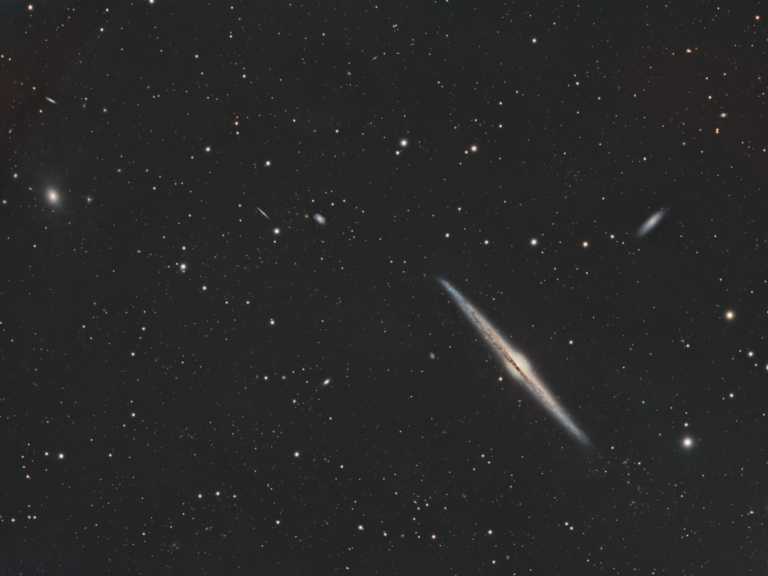
This edge-on spiral is around 40 million light-years away within the constellation Coma Berenices. Lots of satellite and background galaxies to explore around it! Zoom in, and travel back in time – hundreds of millions of years.
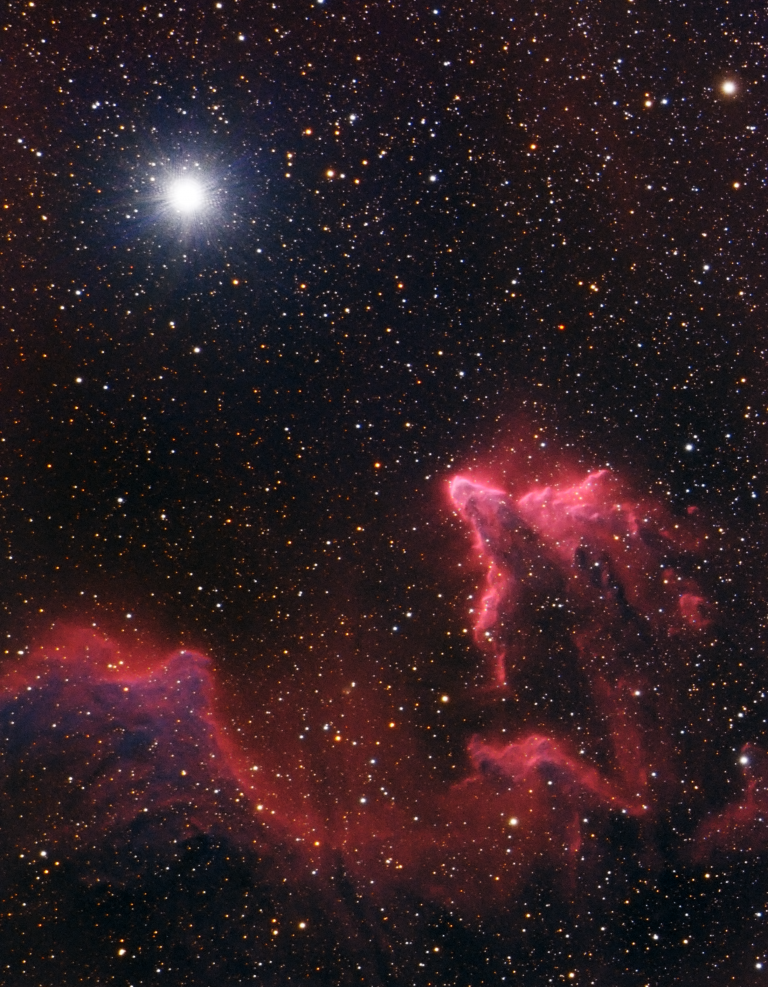
Technically this nebula is called IC63, but its common name “The Ghost of Cassiopeia” seems much more timely, given Halloween is just around the corner! Imaged all night last night, mostly in true colors with some Hydrogen emissions added in to enhance it.
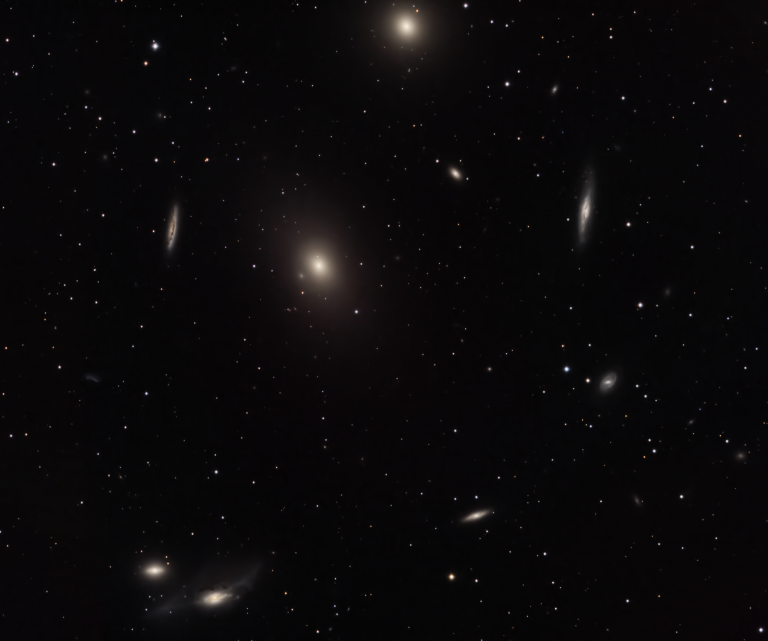
This is actually only a portion of a string of galaxies that make up the Virgo supercluster of galaxies, around 50-60 million light-years away.