Similar Posts
Saturn, Jupiter, and a cameo from Io
Last night marked Jupiter’s “opposition” – this is the time of year where Jupiter is at its closest point to Earth, and it’s at its biggest and brightest. By a stroke of luck, we had unusually clear skies for this event, and its moon Io was also crossing in front of Jupiter! You can see…
A “ring galaxy” 600 MILLION light-years away
Hoag’s Object is the weirdest galaxy I know of; it is a “ring galaxy” – a very rare galaxy type that’s just a galactic core of stars, surrounded by a ring of stars that’s seemingly disconnected from its core. This galaxy has always captured my imagination. Just look at this image from the Hubble Space…
Will astrophotographers be replaced by robots?
Deep-sky astrophotography is the ultimate hobby for nerds; it combines endless tinkering with highly specialized technology, exploration of the cosmos, and constant challenges, achievements, and learning. But, could this hobby be automated to the point where anyone can do it? Products such as Stellina and Unistellar promise to deliver an experience where you can plop…
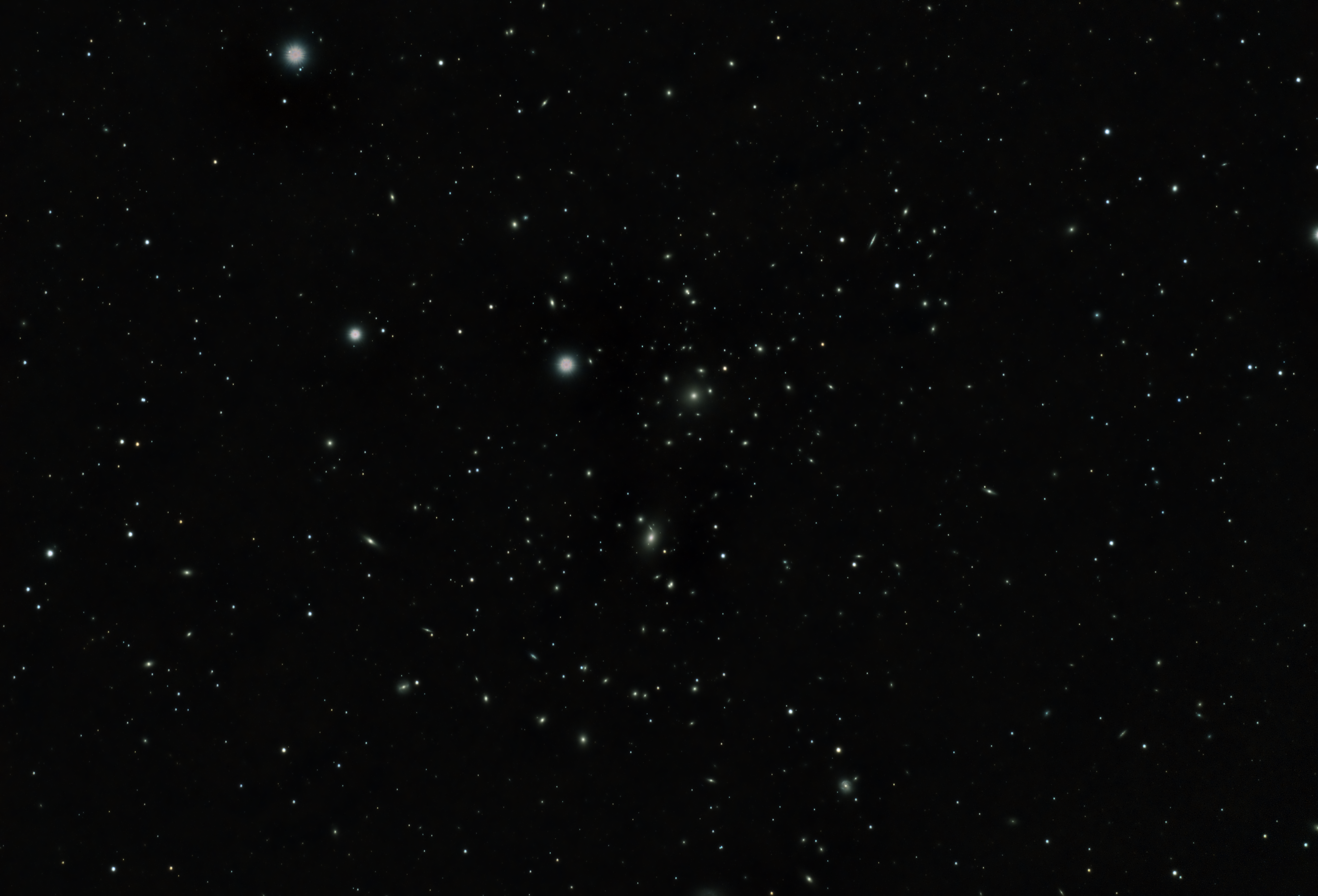
Globular Cluster M5
As we enter summer and the Earth starts pointing us back into the plane of the Milky Way and its many nebulas, we’re nearing the end of globular cluster season. M5 seems a fitting one to end on this year; there’s nothing terribly remarkable about it, other than I think it’s pretty. It’s located about…
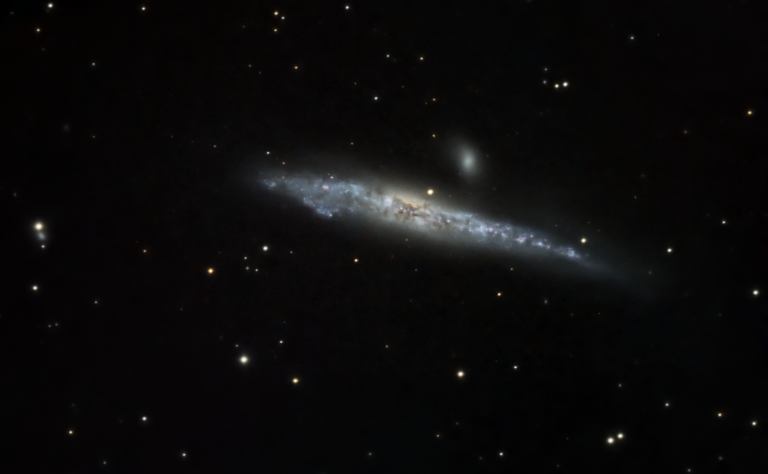
The Whale and the Hockey Stick
It’s not the title of a children’s story – it’s a pair of galaxies 30 million light-years away that look like, well, a whale and a hockey stick. Officially their names are NGC 4631 and NGC 4656.
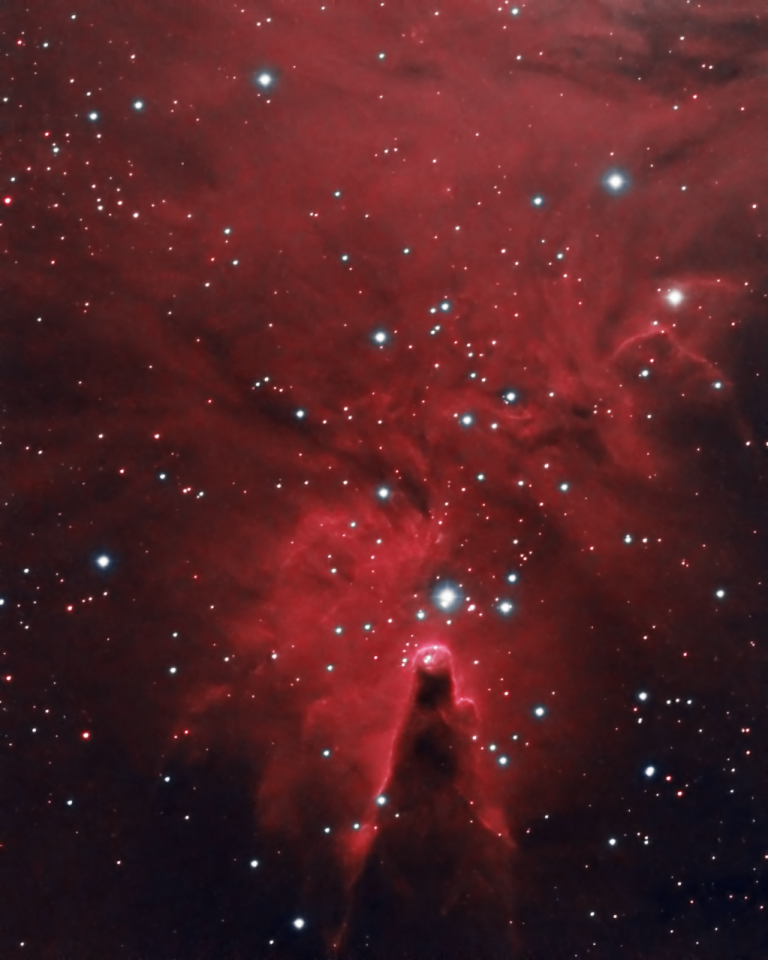
The Cocoon Nebula
The Cocoon Nebula in Cygnus is a compact cloud of Hydrogen, lit up by the bright star in its center. Dust lanes can also be seen across it, obscuring the ionized Hydrogen gas behind them. This object is best imaged during the heart of Summer, which means really challenging conditions here in Florida. High humidity,…