Similar Posts
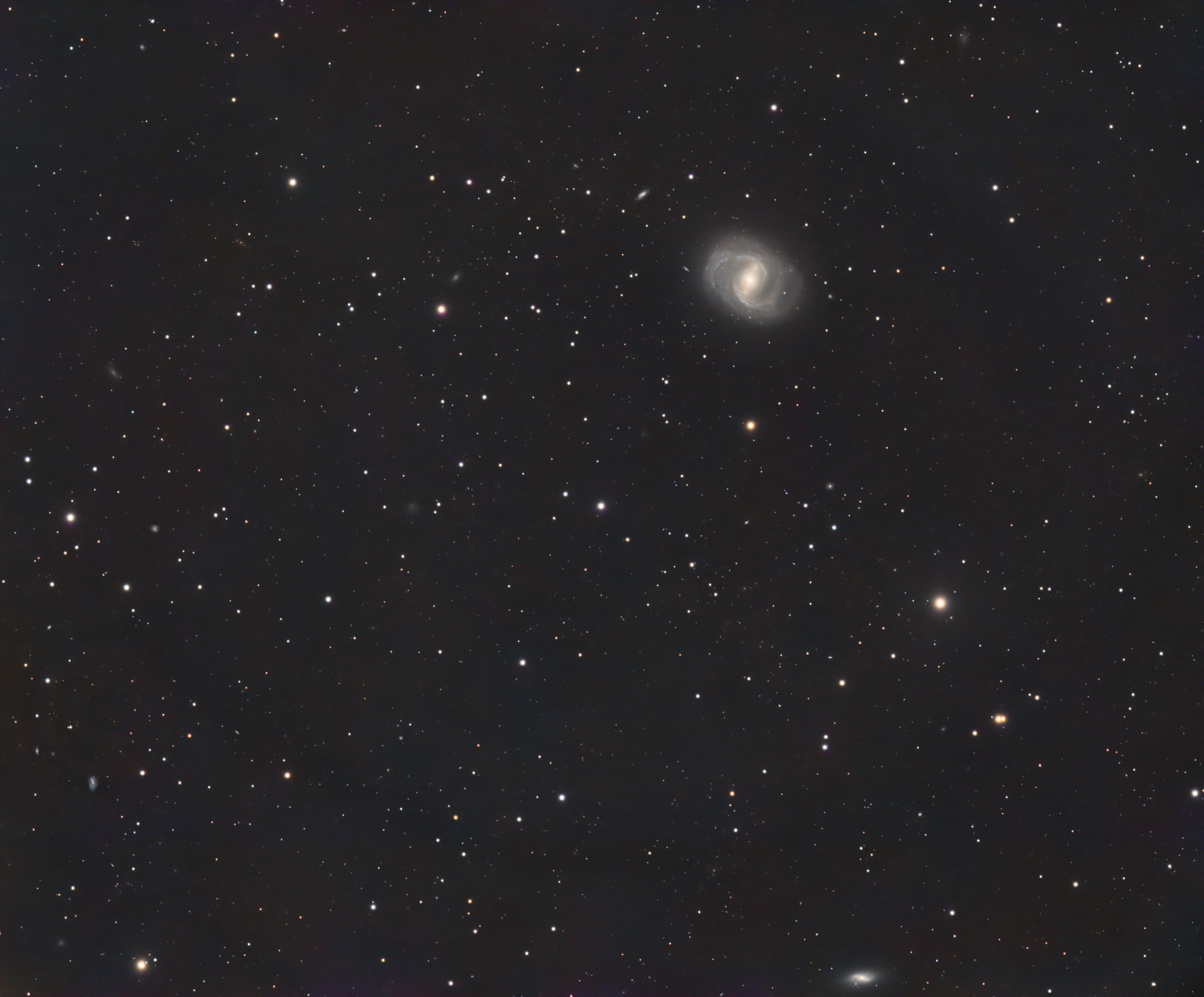
NGC210 is getting photobombed.
At the center of this image is the distant galaxy NGC210, 65 million light-years away within the constellation Cetus. It’s mind-blowing that we can capture an image of something so distant from our backyards, given the right technology. It’s also mind-blowing that we’re looking at light that has been traveling for 65 million years, giving…
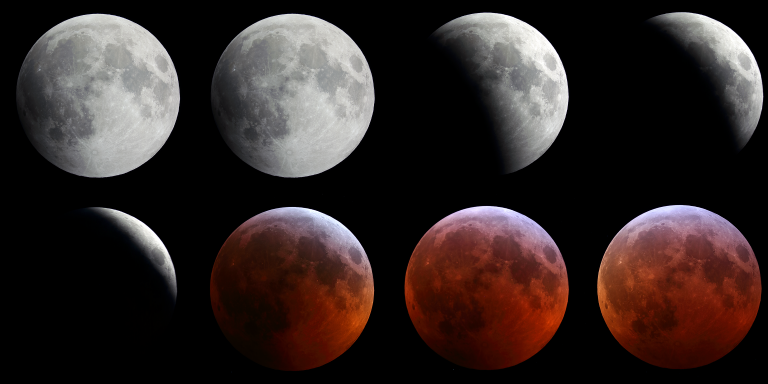
The Moon is Ready for its Close-Up
Last night I set out to image Jupiter and Saturn, but both are pretty far away at this point, and the atmospheric conditions weren’t great. So I tried for the Moon instead. We take our nearest celestial neighbor for granted – there’s a whole world right next to us, waiting for us to explore it!…
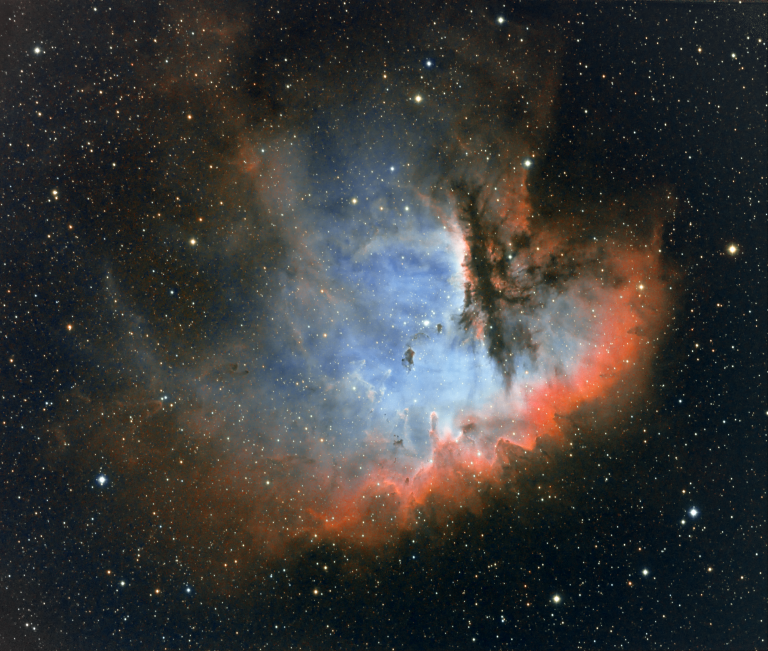
M17 doesn’t look like a swan to me.
M17 is commonly known as the Swan Nebula or the Omega Nebula. From this angle, I think it looks more like a crab – but “Crab Nebula” was taken! Shot over a hazy summer night, with narrowband filters for the gases of the nebula itself, and RGB natural-color filters for the stars. Presented processed with…
The Eagle Nebula, home of the “Pillars of Creation”
Perhaps the most famous Hubble image is the “Pillars of Creation,” towers of gas where new stars are being born within the Eagle Nebula (formally M16.) My backyard telescope under the thick Florida atmosphere can’t match the resolution of Hubble, but it can still capture this object. I’ve imaged this before, but this is the…
The Eagle Nebula – sans stars
This image was something of a happy accident – I spent a night capturing narrowband data on M16, the Eagle Nebula (home of the famous “pillars of creation”.) Of course I had to try reproducing the iconic Hubble image as best I could, but the color palette they use results in big, ugly, magenta-colored stars….
The Lagoon Nebula (M8)
This is a bright, popular nebula deep within the summer Milky Way… but it’s low in the sky, and this is the first time I’ve been able to capture it above the trees. Still, short summer nights and cloudy summer weather present its challenges. Shown processed in the “Hubble palette” and an approximation of its…